
Polyolefin Resin Supplier
High-quality PE and PP resins for film, molding, extrusion, pipes, packaging, and industrial applications.
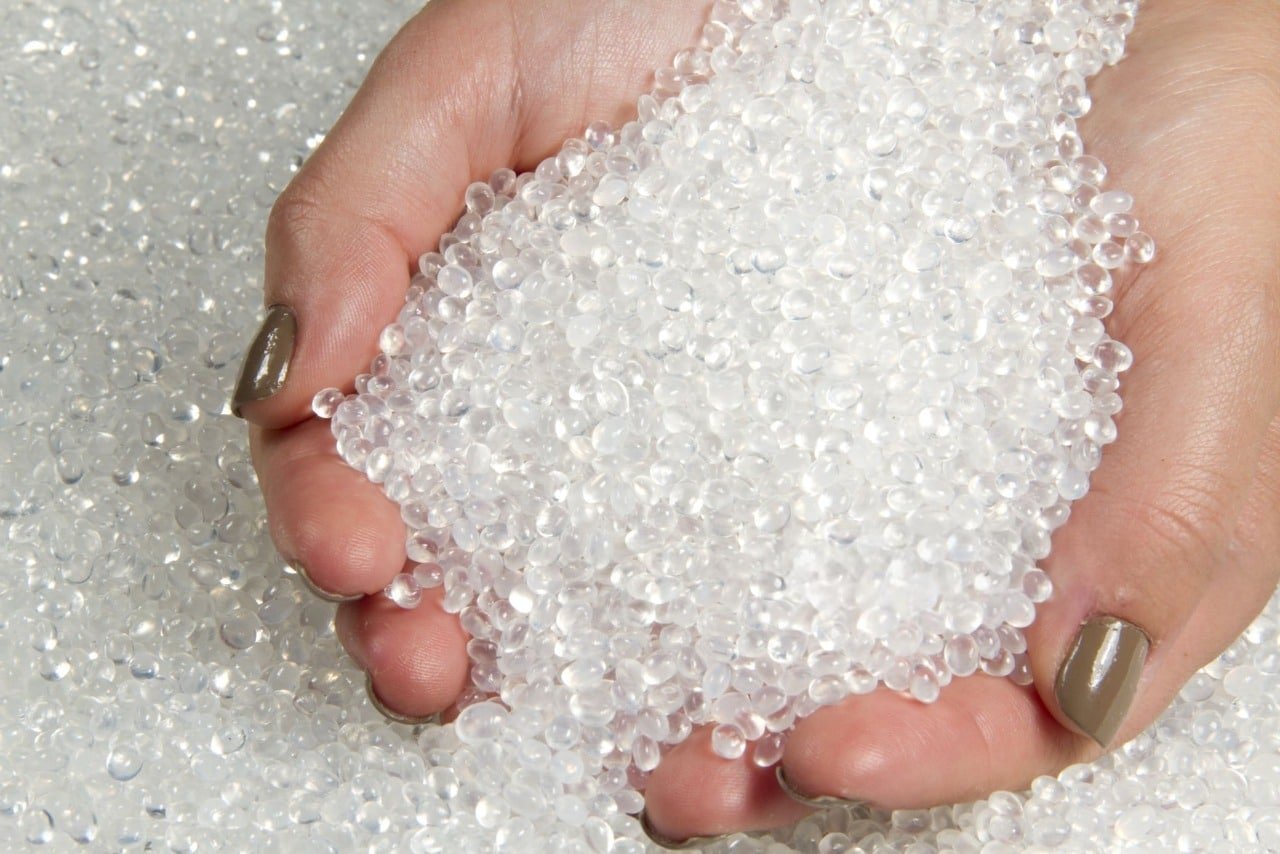
As a polyolefin resin supplier, SYCHEM TECH provides full-range PE & PP solutions covering films, blow molding, injection molding, piping, fibers, and industrial applications.
The Brands We Provide




PE (Polyethylene) Product Grades
Polyethylene Resin Grades We Supply
High-quality HDPE, LDPE, and LLDPE resins available in multiple grades for film extrusion, blow molding, and pipe applications. Choose the material that best fits your processing and performance requirements.
What Types of Polyethylene (PE) Resins Are Available?
Polyethylene resins can be classified into four types: high-density polyethylene (HDPE), medium-density polyethylene (MDPE), low-density polyethylene (LDPE), and linear low-density polyethylene (LLDPE), based on their polymerization methods, molecular structure, and molecular weight.
LDPE is a semi-crystalline, non-polar polyethylene with a crystallinity of about 55–65% and a typical melting point of 105–115°C.
It offers excellent clarity and heat-sealing performance, good moisture resistance, but poor gas barrier properties. LDPE exhibits good chemical resistance to acids, bases, and alcohols, but its resistance to oils and hydrocarbons is more limited; therefore, it is not ideal for the long-term storage of fuels or oily products.
Medium-Density Polyethylene (MDPE) is defined by a density range of 0.926–0.940 g/cm³, placing it between LDPE and HDPE.
With higher density and crystallinity than LDPE, MDPE shows increased stiffness, strength, and a slightly higher melting temperature, while still retaining good flexibility and impact resistance. Its crystallinity is typically intermediate between LDPE (≈45–55%) and HDPE (≈70–80%), giving MDPE a balanced property profile.
These features, together with good stress-cracking and drop resistance, make MDPE a popular choice for gas and water pipes, shrink and packaging films, carrier bags, and screw closures.
High-Density Polyethylene (HDPE) typically has a melting point in the range of 120–130 °C and a crystallinity of about 70–80%, giving it much higher stiffness and tensile strength than Low-Density Polyethylene (LDPE).
Its high density and crystallinity also provide excellent chemical resistance and good resistance to environmental stress cracking. Because of its high strength at low thickness, film-grade HDPE is widely used for shopping and garbage bags, while other grades are used for pipes, blow-molded containers, and industrial parts.
Overall, HDPE is characterized by high strength, rigidity, and opacity, rather than transparency.
In addition to sharing many properties with Low-Density Polyethylene (LDPE), Linear Low-Density Polyethylene (LLDPE) also offers several distinct advantages.
LLDPE has a slightly higher melting temperature than LDPE, typically by about 10–15 °C, and provides excellent heat-sealing performance, making it well-suited as a sealant layer in high-speed packaging lines. It can achieve strong, reliable heat seals at relatively low seal-initiation temperatures.
Compared with LDPE of similar melt index, LLDPE shows a higher melt viscosity and stronger shear-thinning behavior due to its linear molecular structure. Its melt flow is more sensitive to processing shear conditions, while temperature and shear rate both influence viscosity. This rheological profile gives LLDPE good drawability and toughness, especially in thin film applications.
What are the application fields of polyethylene resin?
Polyethylene resin (Polyethylene Resin, abbreviated as PE) is a widely used thermoplastic plastic with highly diverse applications, primarily depending on its type (such as HDPE, LDPE, LLDPE, UHMWPE, etc.). The main application fields are as follows:

Packaging field: The most primary use, including plastic bags, food packaging films, shopping bags, stretch films, bottles, containers, etc., used for food, industrial, and consumer product packaging.

Construction and piping field: Pipes (drinking water pipes, drainage pipes, gas pipes), geomembranes (used for lining and seepage prevention), insulation materials, etc.

Wire and cable field: Insulation layers and sheath materials, especially cross-linked polyethylene (XLPE) for high-voltage cables.

Medical and hygiene field: Medical devices, artificial joints (especially UHMWPE), hygiene products, containers, etc.

Industrial and engineering field: Wear-resistant parts, bearings, conveyor belts, high-strength sheets, pipes, fibers, etc.

Consumer goods and daily necessities: Bottles, household containers, toys, trash bins, furniture components, etc.

Other fields: Automotive parts (such as fuel tanks), defense and military (bulletproof materials), new energy (battery separators), fishing nets and ropes, etc.
The applications of polyethylene resin benefit from its excellent chemical resistance, low-temperature resistance, insulation properties, and processability, making it one of the plastics with the highest global production volume.
PP (PolyPROpylene) Product Grades
Select the PP Grade You Need
Our polypropylene product range includes homopolymers, random copolymers, and impact copolymers tailored for raffia, fibers, injection molding, thin-wall packaging, pipes (PPR), cast films, and BOPP film production.
Frequently Asked Questions about Polypropylene (PP) Resin
Although both are polyolefins, Polypropylene (PP) has a higher melting point, better rigidity, and superior resistance to stress cracking compared to Polyethylene (PE). PP is often the preferred material for hot-fill packaging and automotive components.
Yes. Polypropylene is fully recyclable and is typically labeled as Plastic #5. Recycled polypropylene (rPP) can be used in non-food packaging, automotive parts, and industrial products.
Yes. Food-grade PP resin is widely used in containers, films, and bottle caps. It has been approved for direct food contact by international safety organizations such as the FDA and the European Union (EU).
The Melt Flow Rate (MFR) measures how easily a resin flows when melted. A higher MFR value indicates better flowability, making it suitable for thin-wall injection molding; whereas a lower MFR value is better for extrusion molding and film production.
Get in Touch for PE & PP Solutions
HDPE, LDPE, and PP resins for film, molding, and pipe applications. Contact us for grade selection, samples, and a fast quotation.

Your Polyolefin Resin Supplier in China
SYCHEM TECH is a polyolefin resin supplier based in Shenyang, China, delivering a full range of PE and PP grades for film, blow and injection molding, extrusion, pipe, fiber, and packaging applications. More than a distributor, we work as your formulation development partner — matching the right HDPE, LDPE, LLDPE, or polypropylene grade to your processing window and end-use performance. For background on this material family, see the overview of polyolefins.
Explore grades and request technical data sheets from our dedicated pages: PE (polyethylene) resin and PP (polypropylene) resin. Looking for a reliable polyolefin resin supplier with grade-selection support? Our team is ready to help with sampling, specification, and stable long-term supply.